
New vs. Used Textbooks: The College Student's Buying (and Selling) Playbook
The average college student spends over $1,200 a year on textbooks — and most will recover less than a quarter of that. Not because the books aren't worth more, but because buying and selling decisions get made at the worst possible time. Here's the decision matrix, the smarter approach, and what to do with the books you already own.
The Decision Matrix: New vs. Used vs. Rent at a Glance
Before anything else — here's the quick reference. Use this to make the call in under 60 seconds.
| Factor | Buy New | Buy Used | Rent |
|---|---|---|---|
| Upfront cost | High ($80–$350) | Low–Med ($30–$150) | Lowest ($20–$80) |
| Resale value | Best ($40–$120) | Good ($15–$80) | None — return it |
| Real net cost | Medium (after resale) | Lowest overall | Low–medium |
| Access codes included? | Usually yes | Rarely | Rarely |
| Edition risk | None | Check carefully | Check carefully |
| Best for | Courses requiring publisher access codes; reference books you'll keep | Standard lecture courses; books you'll resell at semester end | One-time required reads; tight budget this semester |
Why Most Students Still Overpay
With nearly 17 million undergraduates in the US, textbook publishers have designed their sales cycle around one thing: urgency. Books are often listed as "required" in the course catalog before the syllabus is posted, and the campus bookstore carries the new edition first — at full price.
The result? Students buy new out of anxiety. Then they hold onto the book too long after the course ends and sell it — or never sell it at all — when demand has already collapsed.
Breaking that cycle requires two things: knowing what you actually need before the semester starts, and acting fast on books you already own.
Plan Ahead: Map Your Curriculum Before You Shop
Most students don't realize their course requirements — and the ISBNs for required books — are often accessible weeks before semester start. Here's how to get ahead of the buying cycle every year:
1. Check the department website and course registration system
Many professors post their syllabi publicly as soon as registration opens. Search "[your university] + [course code] + syllabus" — you'll find it more often than you'd expect. The syllabus has the exact edition and ISBN, which is the only information you need to find a used copy.
2. Email your professor
A quick note asking "Which edition of [title] are you using this semester?" takes 30 seconds and can save you $60. Professors almost always respond. Most are aware of the cost burden and will tell you whether an older edition is acceptable — in many courses it is, especially for humanities, history, and social sciences.
3. Know which courses reuse the same books
In sequences — Chemistry I and II, Calculus I through III, Anatomy & Physiology — your books often carry forward. Buying a used copy with the intention of using it across two or three courses dramatically changes the math. A $90 used organic chemistry text used across two semesters costs you $45/semester if you sell it at the end.
4. Don't assume the new edition changed anything
Publishers typically release new editions every 3–4 years. In many fields, the core content barely changes — problems get renumbered, a chapter gets reordered, a new cover gets printed. Before paying a $100 premium for the "required" new edition, ask a classmate or check Reddit forums for your course to see whether Edition 11 is meaningfully different from Edition 12. Often it isn't.
Books You Already Own: What Are They Worth?
Here's the overlooked side of the equation: most students have a shelf of books from prior semesters that are sitting idle. Those books depreciate every month you hold them — especially if a new edition is due.
What TroveScore does today
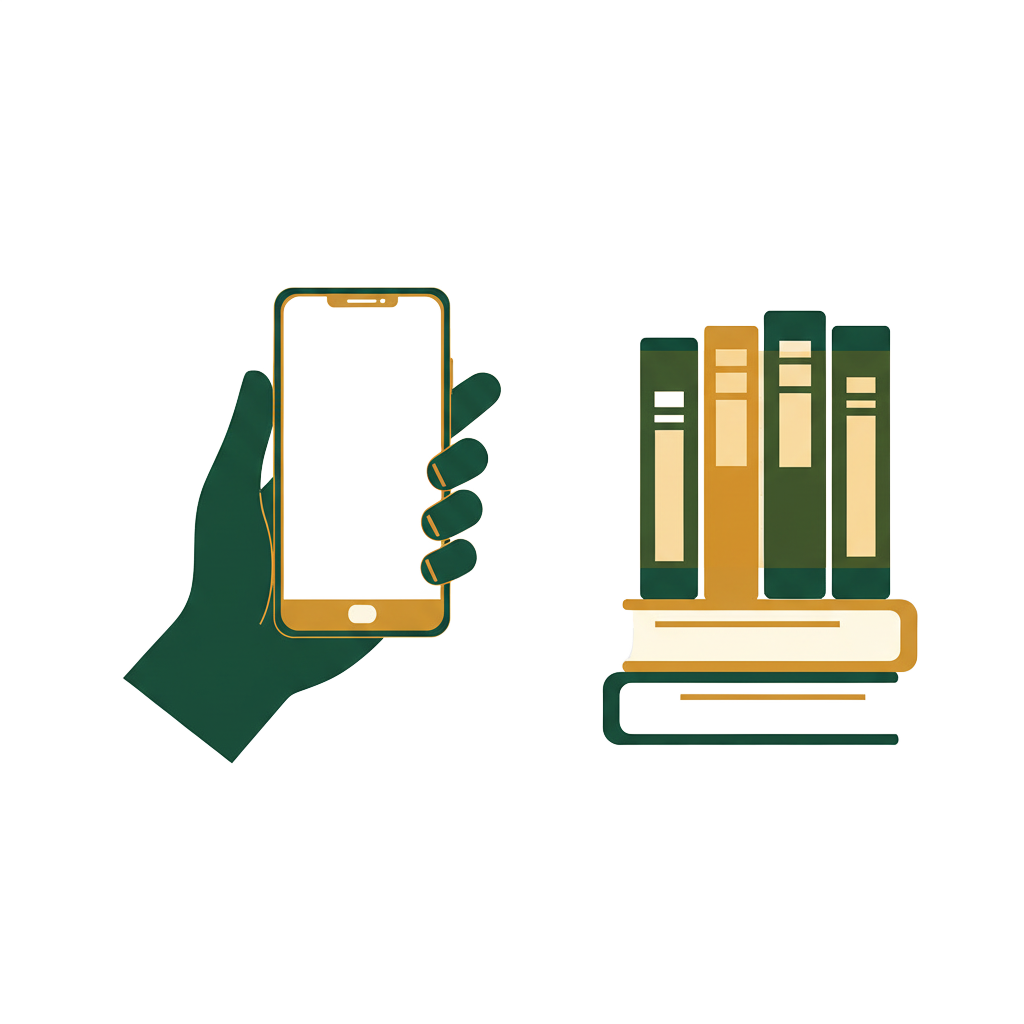
Point your phone at your shelf. One photo covers everything in frame — no barcode scanning, no typing ISBNs one at a time.
TroveScore pulls actual sold prices — not asking prices — so you see what your books are genuinely worth right now on the open market.
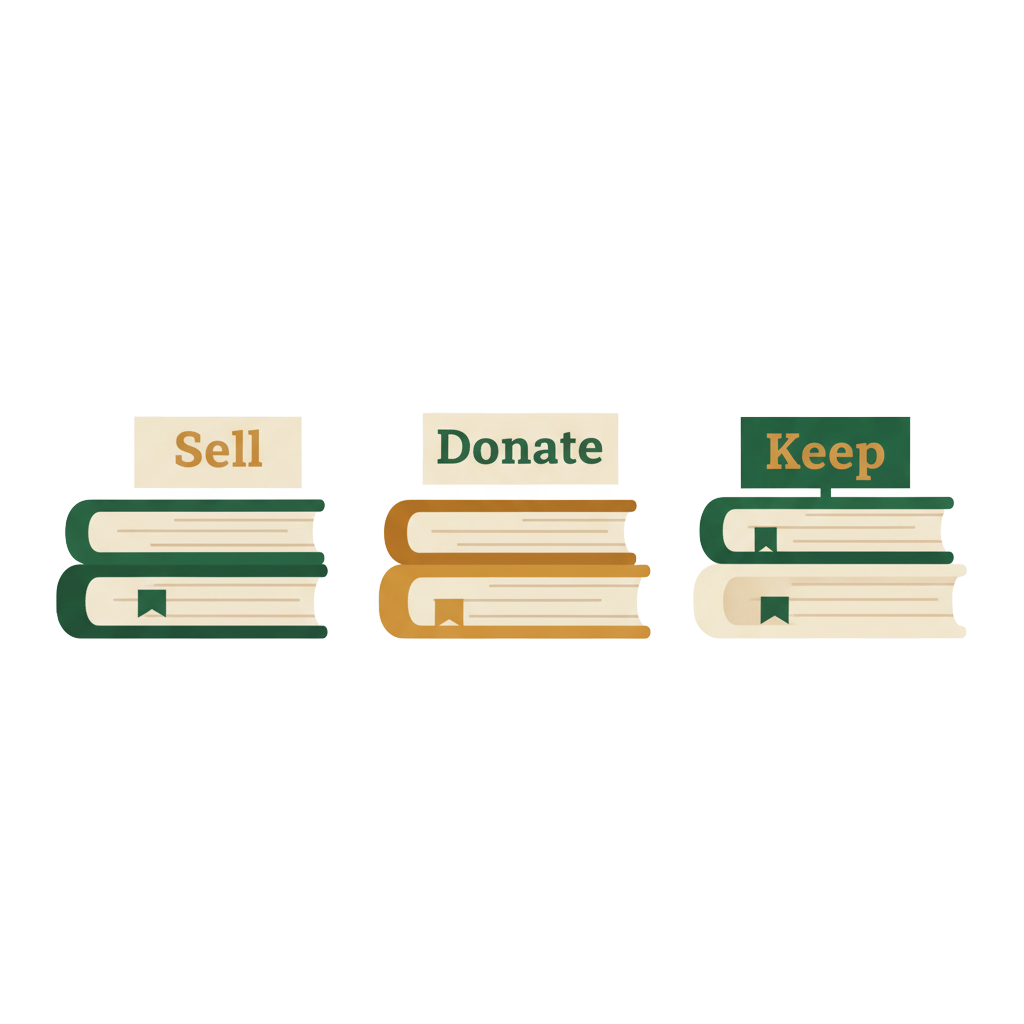
Each book gets a recommendation. High-value books can be listed directly on eBay from the app. Low-value books get flagged for donation so they don't waste space.
For most students, a single scan reveals a handful of books worth real money and a larger pile worth donating. The scan takes about 30 seconds. Knowing before you act is the difference between recovering $180 from your semester stack and recovering $40.
What TroveScore Is Building Next
The current version of TroveScore tells you what your books are worth and routes you toward the best selling or donation option. But the tool we're building toward goes further — and we want your input on it.
Coming soon
Campus Book Exchange — Buy, Sell, and Swap Directly
We're working on a peer exchange feature that lets students buy and sell textbooks directly through TroveScore — cutting out the middleman fees and connecting you with buyers and sellers in the same course or campus community. If you've ever wanted to swap a book you're done with for one you need next semester, that's exactly the problem we're designing around.
Whether you want direct peer-to-peer selling, verified condition ratings, or alerts when a specific book you need shows up in your area — those are decisions we'd rather make with students than for them.
Tell us what you actually want. What would make TroveScore genuinely useful for how you handle textbooks semester to semester? We read everything.
Find us on X (Twitter): @TroveScore — or tell us what you need. If you've got a specific idea — a feature, a workflow, a pain point we haven't addressed — we want to hear it. Student feedback is directly shaping what we build next.
Key Takeaways
- For most lecture courses, buying used and reselling fast yields the lowest net cost — often under $40 for a $120 textbook.
- Buy new only when the course requires a bundled publisher access code or when you'll reference the book for years.
- Map your curriculum before the semester starts: syllabi are often public, professors will confirm editions, and older editions are frequently acceptable.
- Sequences reuse books — buying with a two-semester plan halves your effective cost per course.
- Books from prior semesters depreciate fast. Scan your shelf with TroveScore to see what's worth listing now, before demand drops.
- A peer exchange feature is in the works — tell us on X or send us a note about what you actually need.
Not sure what your old textbooks are worth? Scan your shelf with TroveScore in seconds — no barcode scanning, no manual lookups. Get live eBay resale values and a sell-or-donate recommendation for every book.
Scan your shelf — free, no account →Frequently Asked Questions
Is it always cheaper to buy a used textbook?
Usually yes — used textbooks typically run 40–70% below the new price. The exception is when a new edition includes bundled access codes, lab kits, or online homework platforms that can't be purchased separately. In those cases, the used book is cheaper upfront but you'll still pay for the access code separately, often reducing or eliminating the savings.
When does it make sense to buy a new textbook?
Buy new when: (1) the course requires a publisher access code bundled with the new book, (2) you're in a major where you'll reference the book for years after the course, or (3) you genuinely can't find a used copy in time. For standard lecture courses where you'll sell the book at semester end, used or rental almost always wins on total net cost.
How can I find out which textbooks I'll need before the semester starts?
Most professors post their syllabi publicly on the department website or share them in the course registration system weeks before semester start. You can also email your professor directly — most are happy to confirm the required ISBN. Knowing the edition and ISBN in advance lets you source used copies from prior students or services like BookScouter before demand peaks.
Do new editions really have different content?
Often minimally. Publishers release new editions roughly every 3–4 years. In many cases the changes are cosmetic: reordered chapters, updated problem numbering, new covers. A professor who assigns "Edition 13" will often accept Edition 12 as long as you coordinate with classmates on problem sets. The exceptions are fields where content changes rapidly — medicine, law, cybersecurity — where older editions can have meaningfully outdated material.
What should I do with textbooks I already own?
Scan your shelf with TroveScore to see live eBay resale values for everything you own. Books worth $40+ are worth listing on eBay yourself. Books fetching under $15 are better donated. The scan takes seconds — no need to look up every ISBN manually. Timing matters: sell within a few weeks of finishing a course, before the next student cohort has already found cheaper copies elsewhere.